The Ultimate Guide to CS: GO Skins Case Battles: Rules, Strategies, and What You Need to Know
Counter-Strike: Global Offensive (CS: GO) and its follower CS2 have kept a prospering economy constructed nearly totally around cosmetic products. Among the numerous techniques players utilize to acquire these csgo skins case battle sought after digital possessions, Case Battles have become one of the most popular, high-stakes, and entertaining modes of betting and trading.
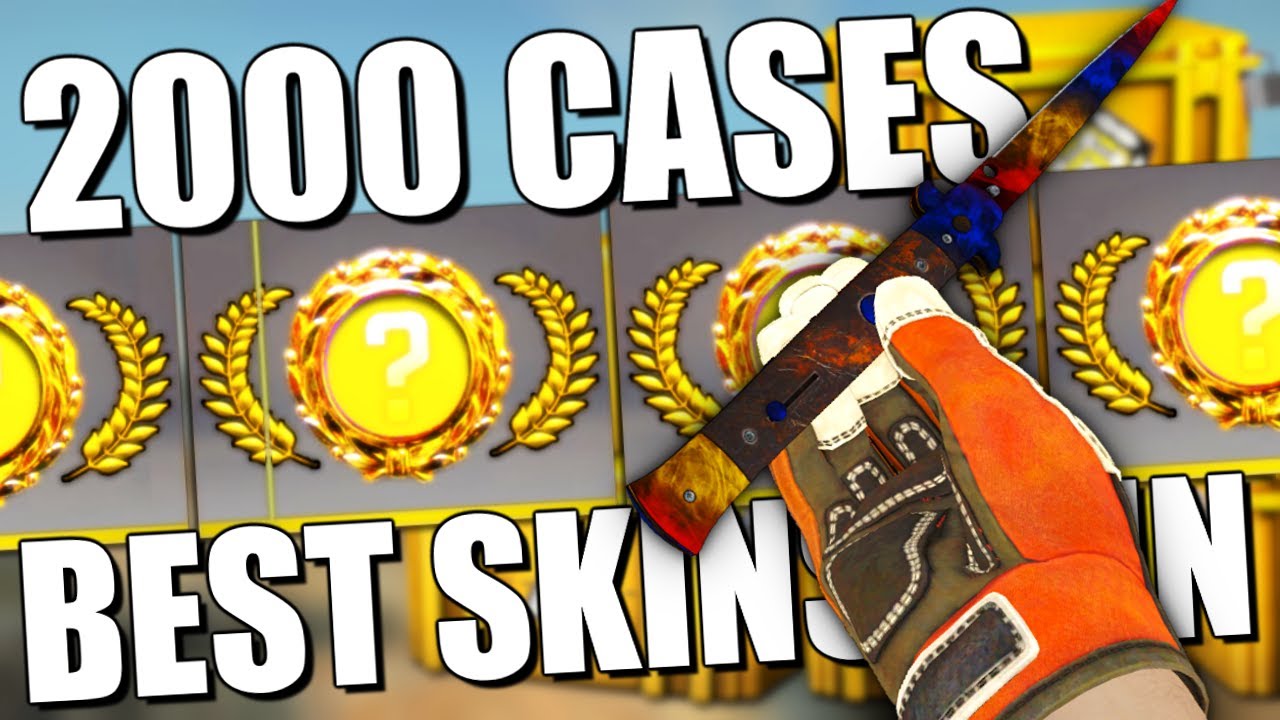
For those seeking to comprehend how these lobbies work, the prospective threats involved, and whether there is any strategy to protecting that elusive knife drop, this detailed guide covers whatever there is to learn about CS: GO skins case battles.
What is a CS: GO Case Battle?
At its core, a case fight is a multiplayer variation of standard case opening. Generally, a gamer purchases a secret, opens a case on a third-party site, and wishes to pull a skin worth more than the cost of the case.
A case fight takes this singular mechanic and turns it into a competitive format. Numerous gamers (usually in between 2 and four) get in a lobby and consent to open the exact very same set of cases.
How a Standard Battle Works:
Lobby Creation: A host chooses a series of cases and sets the gamer count (e.g., 1v1, 1v3, or 2v2 "Free-for-All"). Purchasing In: Each individual pays the overall expense of all the chosen cases combined. The Opening Phase: The cases are opened at the same time in rounds. Virtual wheels spin, landing on numerous weapon finishes. The Payout: At the end of the battle, the total monetary value of all the skins come by all gamers is calculated. The player with the highest overall skin value wins the whole pool.Case Battles vs. Traditional Case Opening
To understand why players flock to case battles, it helps to compare them straight to traditional single-player openings.
Function Traditional Case Opening CS: GO Case Battle Social Interaction Solitary experience Extremely social, frequently including chat and viewers Winning Condition Should pull a skin worth more than the specific case Must beat challengers' cumulative value Home entertainment Value Moderate (relies simply on personal luck) High (direct competition and suspense) Risk Level High (house edge heavily prefers the platform) Extremely High (unpredictable and competitive) Bonus Mechanics None Functions like "Crazy Mode" (most affordable overall wins)Common Variations of Case Battles
Third-party skin gaming platforms continuously innovate to keep users engaged. As a result, case battles been available in several unique formats:
- 1v1 Battles: A simple duel where the gamer with the greatest total value at the end takes everything. Free-for-All (FFA): Three or four gamers contend independently, with the single greatest earner taking the entire pot. 2v2/ Team Battles: Players team up. The combined worth of both teammates is pooled, and the winning team splits the spoils. Crazy Mode (Reverse Battles): A twist on the traditional rules where the gamer who opens the least expensive overall worth wins the entire pot. This includes a funny mental aspect where participants actively want to unpack cheap consumer-grade skins. Group Unboxing (Terminal Battles): Battles where particular triggers or drop limits can trigger bonus offer rewards or secondary wheel spins.
Comprehending the Risks
Before getting involved in any skin-based wagering, users need to approach the activity with a clear understanding of the dangers involved. Case battles are hosted exclusively on third-party sites, not by Valve.
- The House Edge: Just like a gambling establishment, the platform constantly keeps an mathematical benefit. Over the long term, gamers statistically lose money. Digital Volatility: CS: GO skins fluctuate in price based on market supply and demand. Rip-offs and Regulatory Concerns: Many jurisdictions classify skin gaming as unregulated gambling. Players need to work out severe care regarding which sites they utilize, guaranteeing they choose respectable platforms with safe and secure Steam API authentication to prevent phishing scams.
Tips and Strategies for Case Battles
While case battles are mostly games of chance cs2 case battle governed by Randomized Number Generators (RNG), gamers often use specific bankroll management methods and lobby techniques to optimize their enjoyment and lessen losses.
- Set a Strict Budget: Decide in advance how much money you want to invest. Deal with case battles strictly as home entertainment rather than a financial investment method. Start with Low-Tier Cases: If you are brand-new to the format, sign up with or host lobbies featuring more affordable cases (e.g., Prisma or Fracture cases) to extend your budget plan and comprehend the pacing of the interface. Prevent Chasing Losses: The temptation to go into a higher-stakes battle immediately after losing a series of cheap ones is a trap. Accept losses and know when to log off. Enjoy Streamers First: Many content developers stream case battles live. Enjoying them can help you assess the speed of the video games and understand the platform interfaces without risking your own inventory.
Regularly Asked Questions (FAQ)
1. Are case battles legal?
The legality of CS: GO skin gambling differs significantly by nation. In lots of areas, third-party betting sites operate in a legal gray location. Valve has actually traditionally cracked down on automated trading bots used by these websites, so users need to look into local laws before participating.
2. Can I earn a profit from case battles?
While specific players sometimes hit high-value products (like hidden skins or rare knives) and walk away with an earnings, the mathematical chances greatly favor your house. Long-lasting profitability is essentially impossible.
3. Do I require a Steam account to play?
Yes. Case fight sites require you to log in through your official Steam account and provide a Trade URL so that winnings can be moved straight to your Steam inventory.
CS: GO skins case battles have actually changed the way gamers interact with the video game's economy, turning a singular unboxing mechanic into an interesting, competitive viewer sport. While the excitement of out-opening a challenger and securing an uncommon knife is undoubtedly amazing, players need to always focus on accountable gaming, set strict financial limitations, and stay knowledgeable about the fundamental risks associated with third-party skin betting.